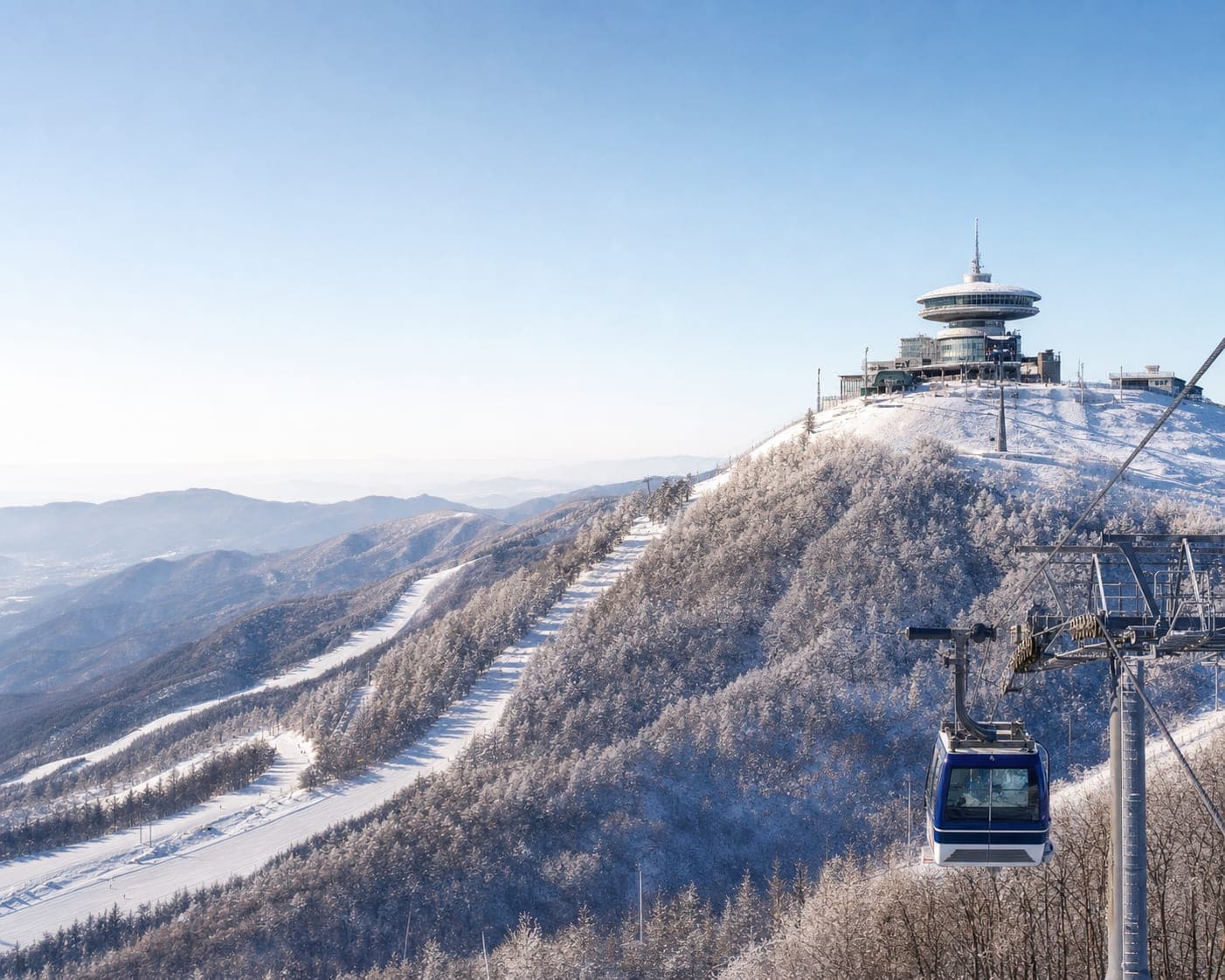
Ski area · South Korea
South Korea snow forecast
South Korea is gearing up for winter. It usually opens in mid November.
Show this area for
Showing piste for South Korea
Piste is the main sport here. Pick another to see its scores on this page.
Showing off-piste. This page is the South Korea snow forecast.
Showing ski touring. This page is the South Korea snow forecast.
Season countdown
Out of season6weeks
until most lifts open.
Usually mid November.
 Yongpyong, Pyeongchang opens firstUsually around 15 Nov · 1,458 m35days
Off-piste
No lift access35days
until the first lifts turn, at Yongpyong, Pyeongchang. No off-piste score until then.
Yongpyong, Pyeongchang opens firstUsually around 15 Nov · 1,458 m35days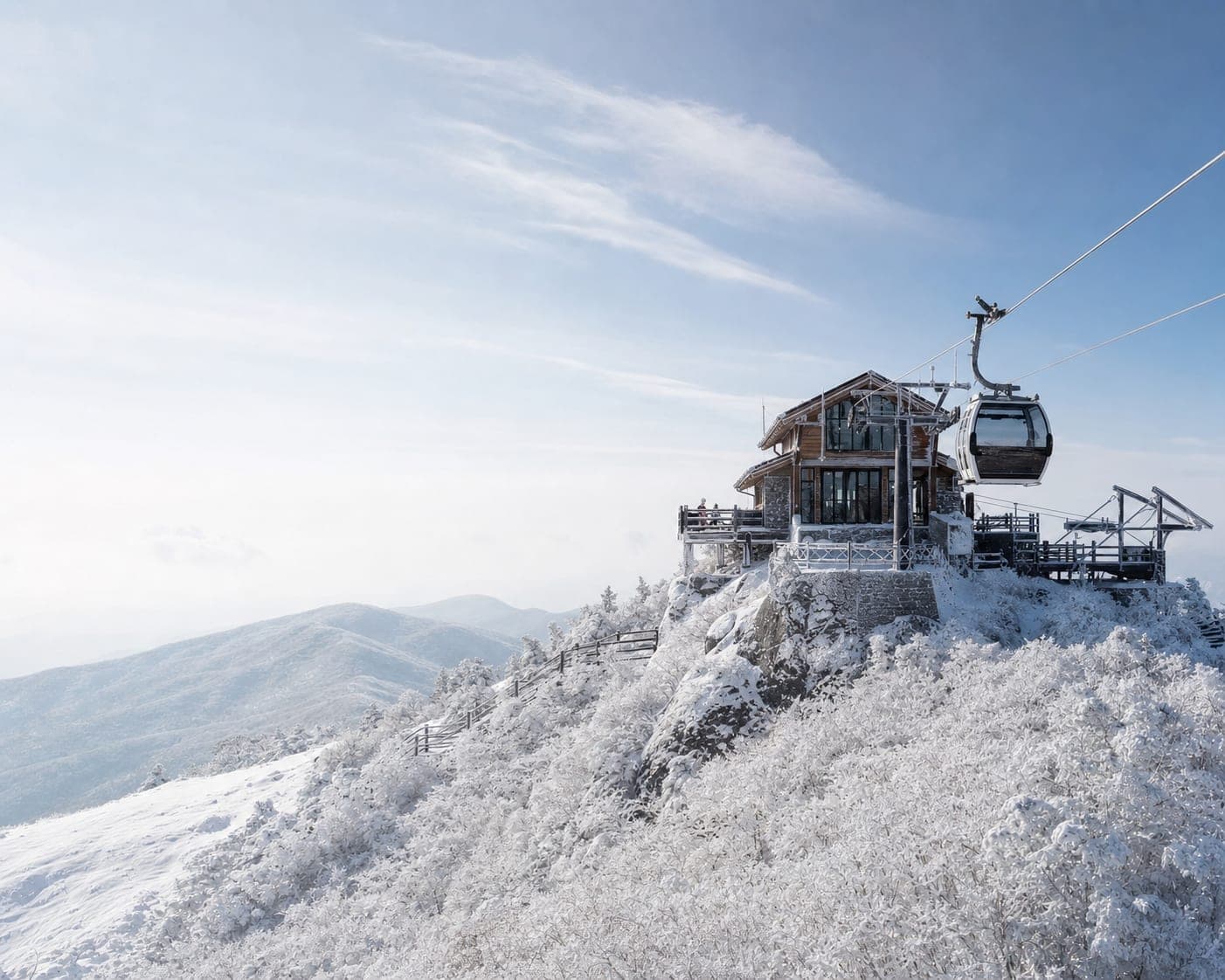
- Resorts open0 of 4Yongpyong, Pyeongchang usually first, around 15 Nov (35 days)
- Snow, next 7 daysNone forecast
- Resorts open0 of 4Yongpyong, Pyeongchang usually first, around 15 Nov (35 days)
- Snow, next 7 daysNone forecast
- Resorts open2 of 4
- New snow, 48 h0 cm
- Deepest base0 cm
- Snow, next 7 daysNone forecast
Work a season hereNo South Korea roles yet, 8 roles elsewhere, always free
Updated Mon 12 Oct at 04:40 (local time) · Photo is illustrative.
About South Korea
About South KoreaRead moreShow less
Skiing in South Korea
South Korea's main ski resorts sit in the Taebaek mountains of Gangwon province, east of Seoul, with one outlier further south. Winters here are cold and fairly dry, so most resorts depend heavily on snowmaking, and the pistes are usually firm, well-groomed corduroy rather than deep powder. The season normally runs from late November or early December to around late March or early April, with January and February the most reliable months.
The Gangwon section has the three biggest names. Yongpyong, in Pyeongchang county, is the largest resort in the country, with around 30 slopes, and hosted the slalom and giant slalom at the 2018 Winter Olympics. Phoenix Snow Park, also in Pyeongchang, hosted the freestyle and snowboard events in 2018; it has around 22 slopes from beginner to expert and well-groomed pistes that suit beginners. High1 Resort, near Jeongseon, has long, gentle runs that suit improving skiers.
Muju Deogyusan, further south in Jeonbuk, reaches about 1,520 m on Deogyusan and is known for some of the longest runs in Korea, though like the others it relies heavily on snowmaking.
Weekends and school holidays bring the biggest crowds, so midweek is usually quieter on the slopes.
What the guides say
- Korean resorts usually open from late November and run to early April, peaking in January and February
- Yongpyong is Korea's biggest resort and hosted 2018 Olympic slalom and giant slalom
- Phoenix Park hosted the 2018 freestyle and snowboard events and has about 22 slopes
- High1 near Jeongseon has long, gentle runs that suit improving skiers
- Muju Deogyusan reaches about 1,520 m and is known for some of the longest runs in Korea; Korean resorts rely heavily on snowmaking
Resorts
Resorts in South Korea
Typical opening dates. Resorts confirm their dates each autumn.
- Yongpyong, PyeongchangClosed~15 Nov · to 1,458 mGangwon (Pyeongchang) · 745 to 1,458 mBike parkOpens ~15 Nov35days
- High1 Resort, JeongseonClosed~20 Nov · to 1,376 mGangwon (Pyeongchang) · 717 to 1,376 mOpens ~20 Nov40days
- Muju DeogyusanClosed~20 Nov · to 1,520 mMuju · 724 to 1,520 mOpens ~20 Nov40days
- Phoenix Snow Park, PyeongchangClosed~20 Nov · to 1,080 mGangwon (Pyeongchang) · 680 to 1,080 mOpens ~20 Nov40days
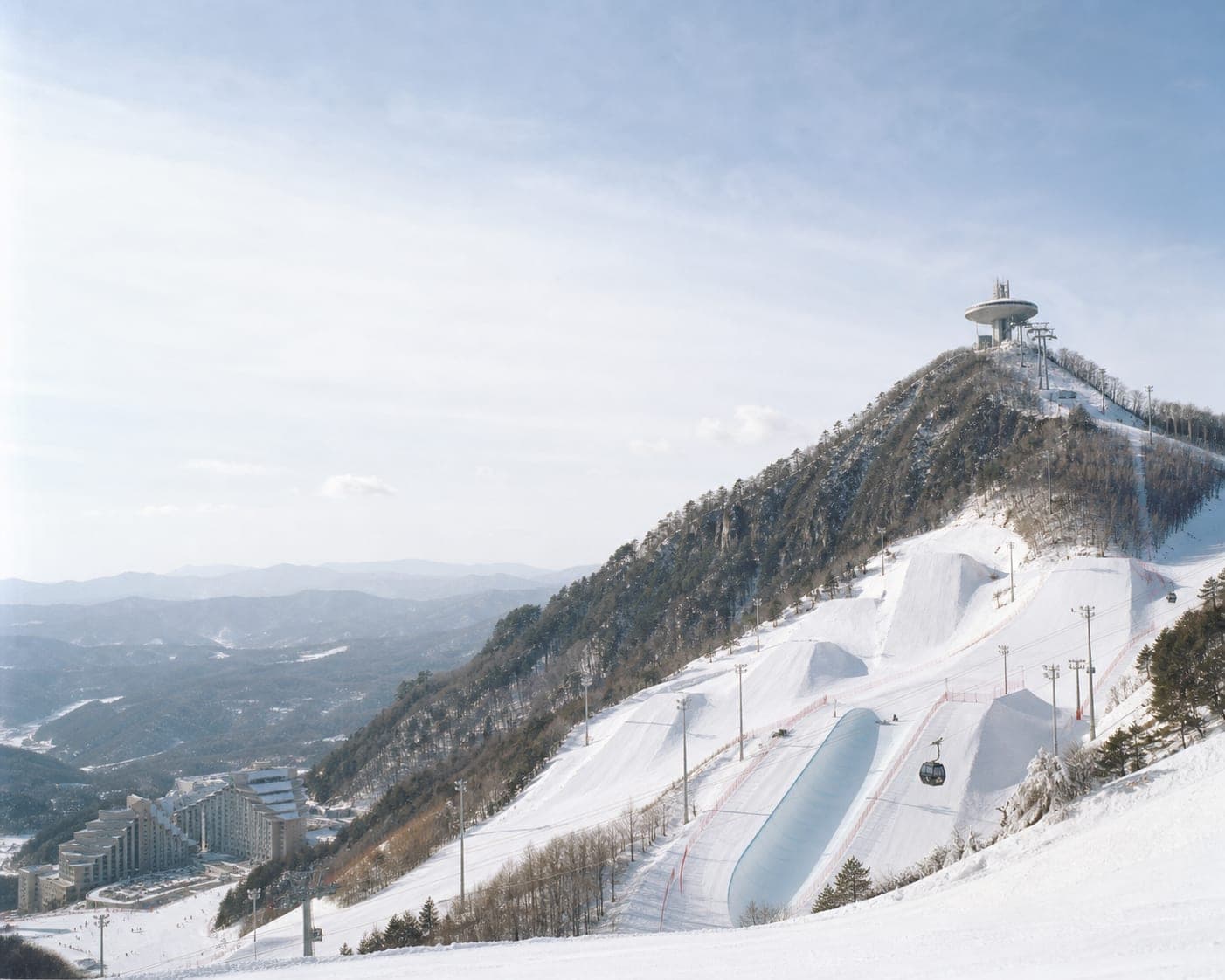
Snow watch
First snow watch
Forecast snowfall and freezing level for the next seven days at each South Korea resort's forecast point.
Muju Deogyusan
Forecast at 1,520 m · no snow forecast
Yongpyong, Pyeongchang
Forecast at 1,458 m · no snow forecast
High1 Resort, Jeongseon
Forecast at 1,345 m · no snow forecast
Phoenix Snow Park, Pyeongchang
Forecast at 1,050 m · no snow forecast
Showing the snow forecast for Muju Deogyusan (1,520 m)
No snow is forecast at the Muju Deogyusan forecast point in the next seven days.
No snow is forecast at the Yongpyong, Pyeongchang forecast point in the next seven days. The freezing level rises from about 3,750 m to 4,150 m by Sunday.
No snow is forecast at the High1 Resort, Jeongseon forecast point in the next seven days. The freezing level rises from about 3,750 m to 4,150 m by Sunday.
No snow is forecast at the Phoenix Snow Park, Pyeongchang forecast point in the next seven days. The freezing level rises from about 3,750 m to 4,100 m by Sunday.
What's on this week
Nothing listed for South Korea this week yet. Know what's on? Add it.
Checking you are signed in.
The PeakWave record
When South Korea is at its best for skiing, from one year of daily forecasts since 7 Nov 2024.
Best months for skiing
- 1January0% of days had a resort at 70+58/100average best0% of days had a resort at 70+
- 2February0% of days had a resort at 70+56/100average best0% of days had a resort at 70+
- 3December0% of days had a resort at 70+55/100average best0% of days had a resort at 70+
Every month, average best score
Teal bars are the top three months. Scores out of 100.
Most often the best resort: Muju Deogyusan, top on 137 of 306 days.
Last season, 2025-26 season: the best week started on 26 January and Muju Deogyusan was the top resort on 62 days.
Average score by month
older scoringBest for skiing
January
53 average, Feb 51 next
These bars use our older weekly averages for the resorts here. That is older scoring, not comparable with today's GO scores.
Crowds and lift pass
Winter 2025-26Bar height: how busy that week is, from our crowd model.
- Sweet spot: week of 3 NovemberThe quietest week of the season.
- Busiest weeksWeeks of 19 January, 26 January and 2 February.
Awards won here in 2026
Monthly and season skiing awards won by South Korea resorts.
No skiing award won here yet this year, monthly or season.
Also won here in 2026: Goldilocks Zone (MTB, Muju Deogyusan, Sep 2026).
Plan your trip
- Last-Minute Ski Season Jobs 2026/27Who still hires from October to January.
- Best time to go skiingSeason curves for every resort.
- How to Read Snow ConditionsFresh snow, base depth, wind, visibility and grooming decoded before you head up.
- Ski Instructor JobsBASI levels, gap year options and where qualified instructors earn the most.
- Chalet Host JobsThe classic ski season role. What the job actually involves, pay, and how to land one.
No South Korea destination guide yet.
Nearby areas
Photos are illustrative.All closed for the season.
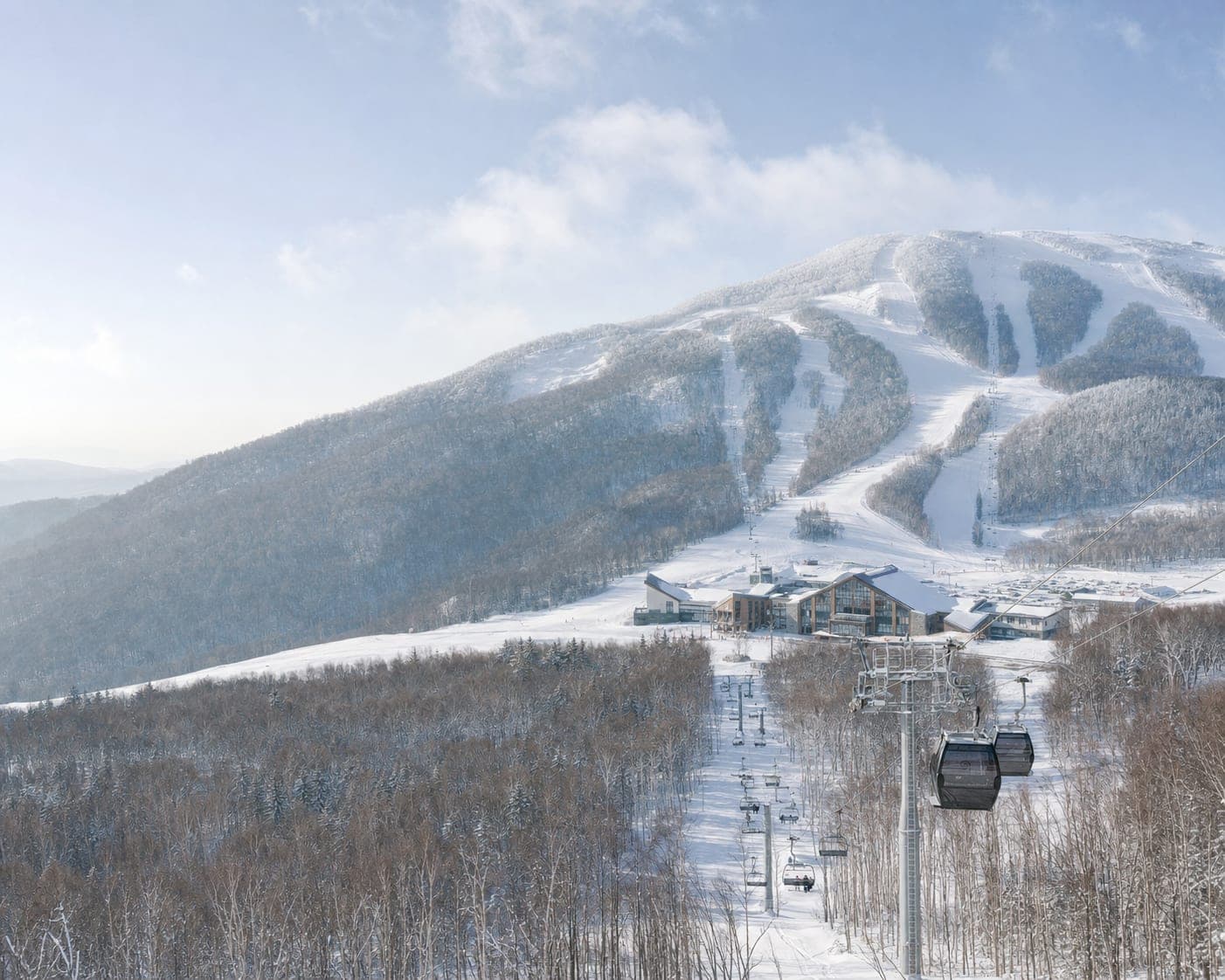 ClosedChina3 resorts · closed · no area page yet
- Every resort rankedOpen the snow board
Photos are illustrative.
Work a season here
Work a season in South Korea
No South Korea roles yet. Be first to hire here, free for employers and seasonaires.
Nearest open roles3
Nothing in South Korea yet, so these are winter roles across PeakWave.

PeakWave is free for seasonaires and employers.
Scores are forecast-based GO scores out of 100, refreshed every three hours. PeakWave is free for everyone: forecasts, rankings and season jobs.