Not enough data yet. Log a session to help build the accuracy score.
This guide was generated from conditions data. Know this spot? Submit your own tips below.
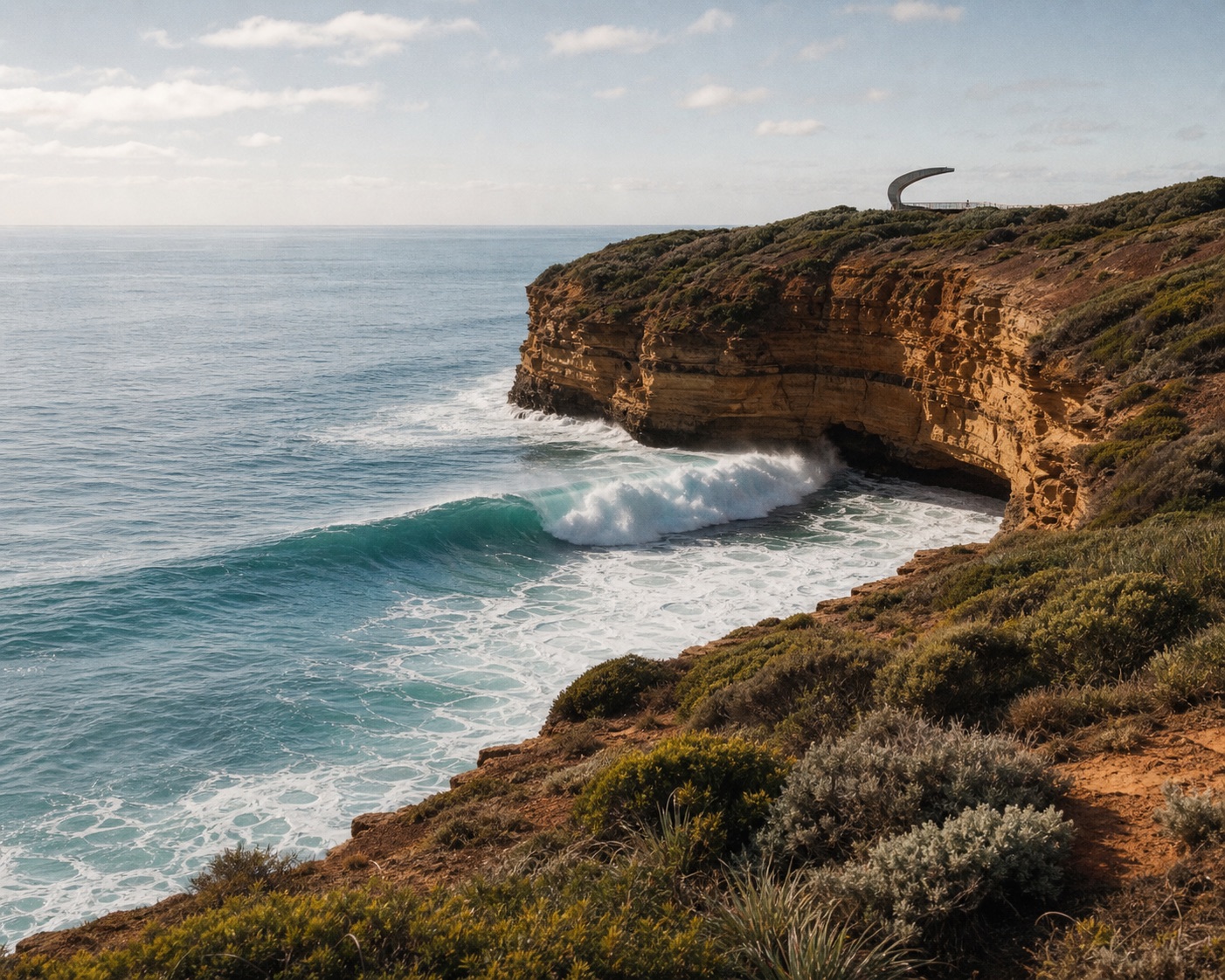
Torquay is the starting point of the Great Ocean Road and the self-proclaimed surf capital of Australia. Multiple beaches face south into Bass Strait, receiving Southern Ocean swell. Jan Juc, Torquay Front Beach, Thirteenth Beach, and Point Danger all offer different waves. The town has the highest concentration of surf industry in Australia (Rip Curl and Quiksilver were founded here). Cold water, consistent swell.
Picks up south-westerly groundswell from the Southern Ocean. A northerly wind is offshore. Works on all tides depending on the specific beach. Consistent year-round with the biggest swells in autumn and winter. The 3-6ft range suits most spots. Summer has smaller but rideable waves.
Jan Juc (reef): powerful right-hander for experienced surfers. Front Beach: mellow, sheltered, good for beginners. Thirteenth Beach: long exposed beach with space. Point Danger: heavy reef. Choose based on ability.
Cold water (wetsuits year-round). Reef at Jan Juc and Point Danger. Powerful waves on bigger days. Sharks occasionally. Each spot has its own hazards.
Multiple car parks at each beach. Easy access. Full town facilities (surf shops, cafes, surf museum). The Surf Coast Walk connects the beaches.
Busy, particularly at Jan Juc. Melbourne surfers (1 hour drive) add to the local population on weekends. The variety of breaks helps distribute people. Dawn patrol and midweek are quieter.
Torquay is the centre of Australian surf culture. Visit the surf museum. Jan Juc reef is the quality wave but needs respect. Thirteenth Beach offers the most space when everywhere else is crowded. The Great Ocean Road south from here has dozens of breaks. The local bakeries are excellent. Bells Beach (10 minutes) is the main event on big swells.
No recent check-ins. Be the first to report.
Record your session, conditions and gear.
Based on historical weekly averages
Combining historical conditions with school holiday crowd pressure to find the sweet spot.
How busy each week is based on school holiday overlap from feeder markets.
The timing score combines two signals: historical conditions quality (how good the skiing or surfing typically is in a given week, based on 5 years of weather data) and crowd pressure (how many of this destination's feeder markets have school holidays that week).
Crowd pressure is weighted by each feeder country's share of visitors. If 40% of a resort's visitors come from France and France is on holiday, that contributes 0.40 to the crowd pressure score. Crowds can reduce the timing score by up to 35%, ensuring conditions still matter most.
Scores: 5 = great conditions with low crowds (the sweet spot). 4 = great conditions with moderate crowds, or good conditions with low crowds. 3 = average. 2 = below average conditions or very crowded. 1 = poor conditions or peak holiday chaos.
Last 28 days of logged conditions.
Sign up to save favourite spots and get surf alerts
Create free accountCreate a free profile and let employers in Torquay find you.
Create Profile →Current conditions refresh every 3 hours when the cron runs. Hourly data updates every 30 minutes. The 7-day forecast, luck factor, and packing notes are all pre-computed at the same time.
We compare the 7-day forecast to the last 5 years of marine data for the same week at Torquay. The delta tells you whether conditions are shaping up better, worse, or about the same as a typical mid-June.
We score each day of the 7-day forecast using the same algorithm as the leaderboard, and highlight the highest scorer.
Open-Meteo's Marine API (swell height, period, water temperature) and Weather API (wind and conditions).
Honestly, no. Every break has tide windows, swell directions and reef contours that a global model cannot see. Treat the score as a starting point, then check a local cam.
The best week for surf at Torquay is the week of 2 November (score 3/5) with low crowds.
Small waves but still worth a paddle for keen surfers. Reasonable period putting some grunt behind each wave. Light offshore grooming the faces nicely. Conditions improving through the afternoon. Not enough swell to get this spot firing properly.
Heads up: rocks exposed at low tide, and cold-shock risk.
Indicators derived from forecast data, not official warnings. Always check local lifeguard or official advice.
Good water clarity: ~8m visibility
Daily scores over the last 12 months at Torquay